Getting a Subway job application right takes less than people think. And far more than job boards suggest.
If you’re a student, a parent squeezing in part-time hours, or someone just getting back into the workforce after a gap, Subway keeps coming up as an option. The schedule flexibility is real. The barrier to entry is low. But the gap between “I applied” and “I got hired” is where a lot of people quietly fail.


This guide covers the full Subway hiring process in 2026, from the application to the first week on the floor, with the parts most job guides gloss over.
Why Subway Keeps Showing Up on Job Searches
Subway has around 37,000 locations worldwide, and the overwhelming majority are franchises. That matters more than people realize.
Each location is run independently, which means hiring decisions, pay rates, benefits, and even interview styles vary from store to store. Two Subways on the same street could operate completely differently.
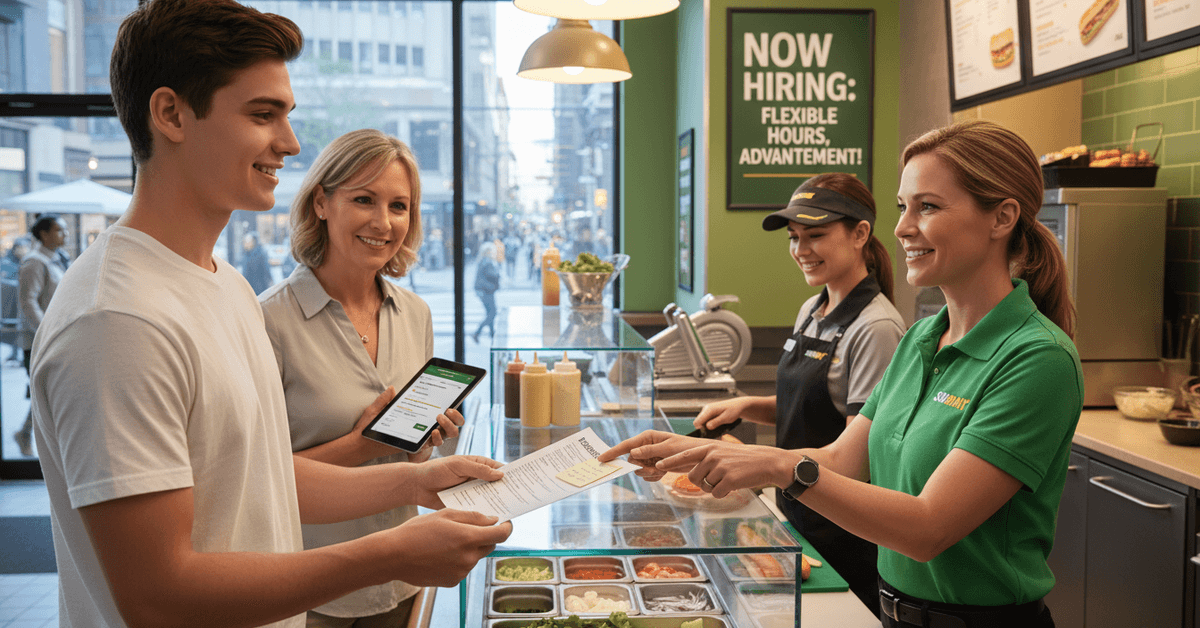
That franchise model is the reason Subway offers genuine schedule flexibility. Franchise owners set their own staffing needs, so stores near universities tend to run more evening and weekend shifts.
Stores near office districts often fill out early morning and lunch slots. If your schedule is specific, you can actually shop around for a location that fits.
The Positions Worth Knowing Before You Apply
Subway’s job spectrum is narrower than most fast food chains, which works in your favor.
- Sandwich Artist is the entry-level role. You prep food, serve customers, handle the register, and keep the workspace clean. No prior experience required. This is where 90% of applicants start.
- Shift Supervisor is the next tier. Supervisors manage the floor during a shift, coordinate breaks, handle inventory basics, and make sure food safety standards don’t slip. Stores with high turnover often promote into this role faster than applicants expect.
- Store Manager is where prior food service experience starts to matter. Managers handle hiring, scheduling, complaints, and financial targets. Getting here from Sandwich Artist is possible, and it happens regularly in stores that grow or churn through staff.
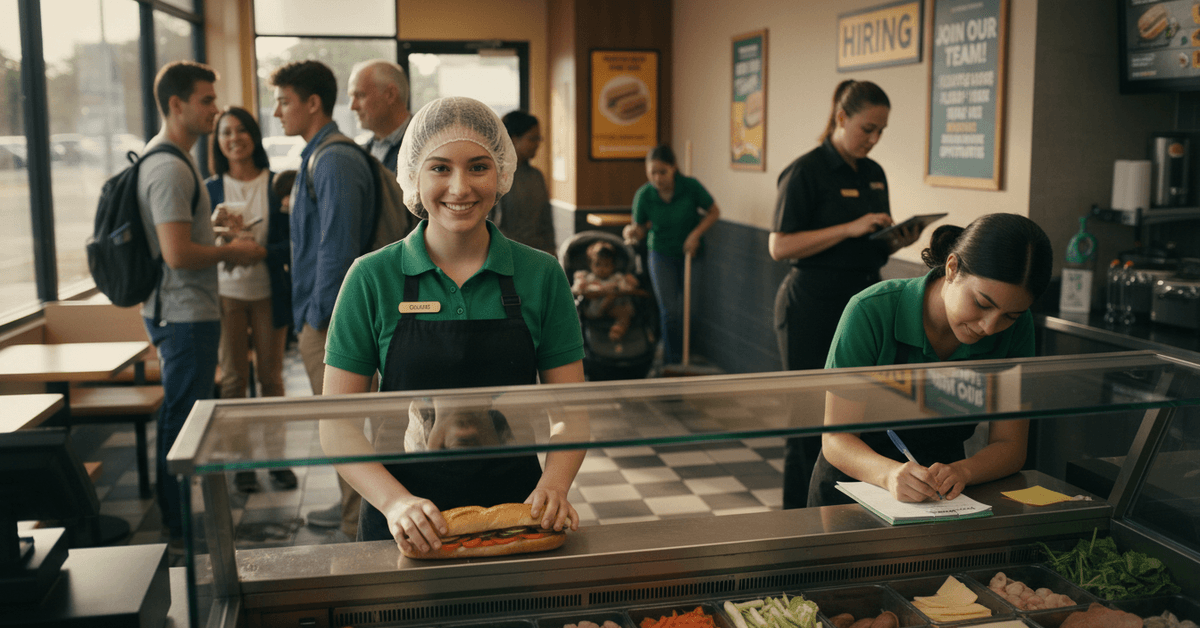
The Subway Application Process, Step by Step
Where to Actually Find Open Positions
The official Subway careers page lists corporate openings, but franchise locations post jobs independently. Checking Indeed or walking directly into a store often surfaces more options than the Subway site alone.
I’d skip applying to five locations online and call it done. The walk-in approach still works at franchise locations, and a lot of managers say they remember the people who came in person.
Paper vs. Online Applications
Both exist, and both get results. The online application processes faster. A paper application with a short handwritten note can make you memorable in a way that a form submission rarely does.
The note doesn’t need to be elaborate. One sentence about your availability and one about why that specific location works for you is enough. Managers running a tight store notice when someone bothered.
Your Resume for a Subway Job
A formal multi-page resume is overkill here. What you actually need:
- A clear list of any prior work, school clubs, or team activities
- Your availability written out explicitly (days, times, and whether that changes seasonally)
- Contact information that you actually check
Attitude and reliability are what franchise owners hire for. A resume that shows up on time to the conversation is one that’s clean, readable, and specific about when you can work.
The Interview Itself
Subway interviews are typically short and practical. Expect questions about your availability, whether you’ve worked with customers before, and how you’d handle a rush or a difficult customer.
Some managers run formal sit-downs. Others do a quick chat on the floor mid-shift.
I think the single most useful thing an applicant can bring up is food safety awareness. Mentioning ServSafe or just showing you understand basic hygiene rules makes a stronger impression than most applicants realize.
Franchise owners are legally responsible for health code compliance, and someone who walks in already thinking about that is a lower risk.
What Interviewers Are Really Screening For
Punctuality and communication are the two things that come up most when franchise managers describe their best hires. Showing up on time to the interview and being direct about your availability handles both in one move.
What Subway Actually Requires From Applicants
The bar is lower than most candidates assume, but it’s not zero. Here’s what you’ll generally need:
- Minimum age of 16 in most US states (some states allow 15 with a work permit)
- Availability for at least some weekend or evening shifts
- Basic cash handling comfort
- Reliable transportation to get there consistently
- A willingness to work alongside a small team at high speed
Background checks vary by location. Some franchise owners run them, others don’t. Honesty about prior issues is always the better call, since franchise owners tend to be local enough to verify things informally anyway.
The One Piece of Advice I Disagree With
Every job guide tells you to follow up within 48 hours of applying. I genuinely think this is bad advice for Subway specifically. Franchise managers are usually running a lean crew and spending most of their shift on the floor.
Calling two days after applying to ask about your status reads as impatient, not enthusiastic.
A better move: follow up once, in person, about five to seven days after applying. Come in during a slow period, like mid-morning on a weekday, and ask politely if the manager has had a chance to review applications.
One visit, done. Anything beyond that tends to work against you.
Pay, Scheduling, and What to Expect in Your First Month
What Subway Pays in 2026
Pay at Subway sits at or slightly above minimum wage in most US markets. Cities with higher costs of living, like New York or San Francisco, pay more by necessity.
Raises happen after you’ve proven reliability and sometimes when you take on additional responsibilities like training new hires.
The franchise structure means pay varies more than at chains with corporate-owned stores. Two Subway locations a mile apart could have a $2 per hour difference.
Benefits That Don’t Always Come Up in the Interview
Some franchise locations offer meal discounts, paid breaks, or health insurance for full-time staff.
These aren’t guaranteed, and managers don’t always volunteer the information upfront. Ask directly before accepting an offer if benefits matter to your decision.
Your First Few Weeks on the Floor
Training at Subway covers food safety, hygiene, register operation, and basic sandwich prep. Expect to shadow an experienced employee for the first several shifts. The pace can feel fast. That’s normal.
Food safety certification resources from the National Restaurant Association are worth looking at before your first day, even if Subway provides its own training. Walking in with that knowledge already in place makes the learning curve noticeably shorter.
Online modules on allergen awareness are sometimes assigned in the first week. Take those seriously.
Franchise owners can face liability over allergen mishandling, and employees who understand why those rules exist tend to get more respect from management faster.
Scheduling Patterns Worth Knowing
Early morning, lunch rush, and closing shifts are the most common. Schedules can be static or rotating depending on the location.
The best way to get consistent hours is to communicate your preferences clearly from day one and show up reliably for whatever you’re assigned first.
Questions People Ask About Subway Jobs
Q: Does Subway do background checks before hiring? Each franchise location decides independently. Some run background checks, others skip them entirely. If you have something in your history, being upfront about it with the manager is a better strategy than hoping it doesn’t surface.
Q: How long does it take to hear back after applying to Subway? Timeline varies by location. Stores that are actively understaffed sometimes call within 24 to 48 hours. Locations that are passively recruiting may take a week or two. Following up in person after five to seven days is a reasonable way to move things along without being annoying about it.
Q: Can a 15-year-old work at Subway? Age requirements depend on the state and the franchise owner’s preference. Minimum age is 16 in most US states, but some states allow 15-year-olds with a valid work permit. Check your state’s minor labor laws before applying.
Q: Is the Sandwich Artist role physically demanding? More than people expect. The job involves standing for the full shift, moving quickly during rushes, and handling food prep tasks that require sustained attention. People who’ve worked retail or food service before tend to adjust faster.
Q: Can you move up quickly from Sandwich Artist to Supervisor? Yes, and at some locations faster than you’d think. Stores with high turnover or rapid growth often promote reliable employees within a few months. The catch is that “reliable” means showing up consistently and picking up extra shifts when asked, not just doing your job competently.
Conclusion
A Subway job in 2026 is one of the fastest entry points into the workforce for students and returners alike. The hiring bar is accessible, the schedule flexibility is real, and the path to a supervisor role moves faster than most people expect.
Go in knowing that every franchise location is its own operation, and treat the store you’re applying to like a specific target, not a generic chain.
The applicants who get hired aren’t always the most qualified. They’re usually just the most prepared for that specific manager’s version of the job.