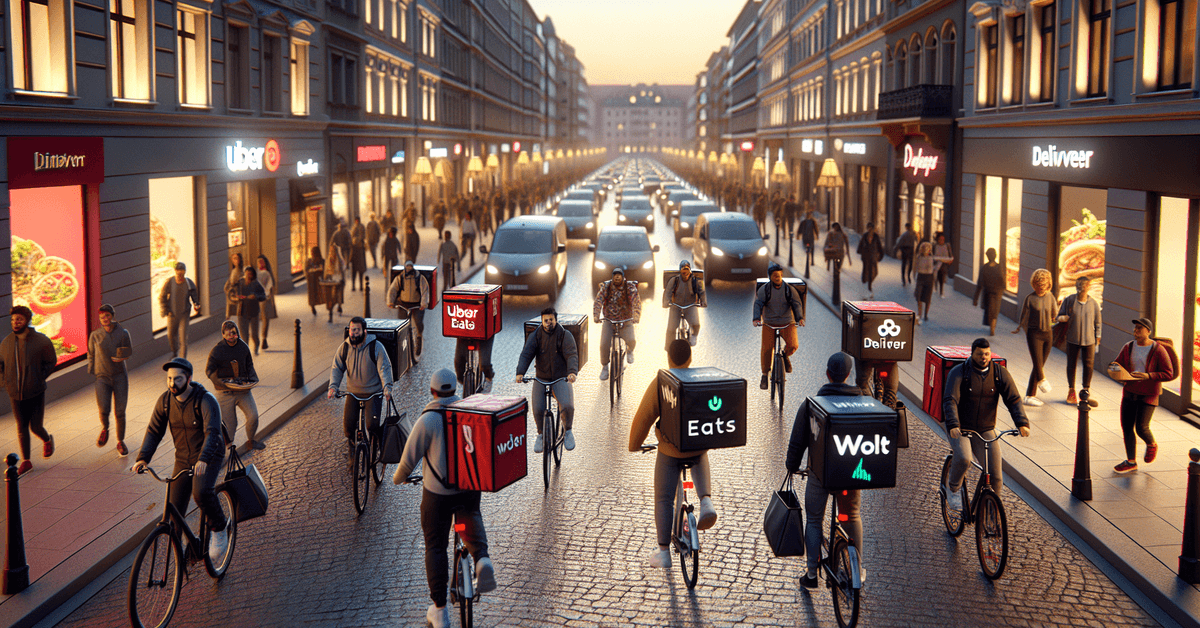
Delivery jobs across Europe have evolved over the last decade. With the rapid expansion of platforms like Uber Eats and Wolt , it’s now possible for many people to earn flexible, sometimes surprisingly competitive, hourly rates.
This guide examines which delivery jobs really pay best, what you need to get started, and how to decide if this work is right for you.



Whether a student, someone between jobs, or simply looking for a productive side gig, understanding your options can help unlock a fairly steady source of income in today’s gig-driven economy.
Why Delivery Jobs in Europe Are Earning Attention?
Flexible earnings, the ability to choose your hours, and the ease of entry make delivery gigs popular. Unlike many traditional jobs, shifts are often self-selected.
That means one could, at least in theory, earn more during specific busy periods, or fit work around another life commitment. It’s hard to ignore the appeal.
A Booming Demand Across European Cities
Urbanization is changing how people eat and shop. With more of us living in cities, reliance on home delivery services is up.
This higher demand generally increases the volume of orders during evenings and weekends, giving couriers more opportunities to earn.
Compensation: What Do Delivery Drivers Actually Earn?
While advertised rates can be optimistic, pay varies by platform, location, and shift timing. Reports suggest that, in some cases, gross hourly earnings reach or exceed €20/hour before taxes and expenses, though the average tends to be closer to the €10–15 range.
Some drivers in high-demand areas, using the right strategies, do hit or pass that top figure. Though, honestly, it’s not everyone’s normal, and busy urban zones almost always pay more.
The Allure of Flexible Working Hours
This is possibly the biggest draw—shifts aren’t usually locked in. Want to work three evenings a week? Or just weekends for extra cash?
That’s doable with most apps. For students or those balancing parenting, that flexibility can be a lifeline.
Comparing the Top Delivery Platforms
Each delivery platform has its own quirks, payment systems, and requirements. The main contenders— Uber Eats and Wolt —are now joined by other fierce competitors in certain countries, such as Deliveroo, Glovo, Just Eat, and Foodora.
The choice comes down to your city, desired pay model, and how each app approaches their drivers or riders.
Uber Eats
As one of the giants, Uber Eats is everywhere, from Paris and Berlin to Barcelona. They offer fast sign-ups and typically weekly payouts.
You might, occasionally, need to check if scooter or bicycle delivery is available in your location. Hourly earnings fluctuate, but surge pricing and incentives may push top earners to that €20/hour benchmark.
Wolt
Operating in dozens of European capitals and mid-size cities, Wolt is known for its slick interface and transparent order tracking.
Payouts are regular, and support is frequently well-rated by drivers. Like Uber Eats, actual rates can be volatile; some report slightly higher base earnings during key events or in tech-centric business districts.
Other Leading Platforms
- Deliveroo: Prominent in the UK and parts of Western Europe. Loves big city centers. Sometimes offers guaranteed hourly minimums.
- Glovo: Active in Southern Europe and Eastern markets. Covers a wide spectrum of deliveries, not just food.
- Just Eat: Dominant in Northern Europe. Has a blend of independent contracting and payroll models depending on region.
- Foodora: Scandinavia and Central Europe. Known for a tech-first, data-driven approach.
What You Need to Get Started as a Delivery Courier?
Requirements aren’t as imposing as many assume. Still, there are a few essentials every applicant should expect:
- A bicycle, scooter, or car depending on the city and platform.
- Valid ID and, for some, a work visa or residence permit.
- Smartphone (modern enough to run the app smoothly).
- Bank account for receiving payments.
There are sometimes onboarding sessions or quick background checks. Most platforms steer clear of contract commitments—though, officially, most classify couriers as independent contractors within EU guidelines. For the highly risk-averse, this point is worth clarifying before starting.
How to Maximize Your Delivery Earnings in Europe?
Making the highest possible rate isn’t always straightforward. While some consistently earn more than €15–20/hour, others might end up closer to €10/hour, especially when accounting for transportation and phone expenses.
Here are several practical considerations—it’s a list that could be longer, but these are a good starting point.
Choosing the Right Platform and Schedule
In busy cities, signing up with multiple apps can increase order volume. Evening hours (around dinner) and weekends are usually the busiest.
That said, there’s a balance—you could burn out working every peak slot. Some drivers might even prefer a consistent, if lower, off-peak rhythm. It’s personal.
Stacking Bonuses & Incentives
Both Uber Eats and Wolt, and most major apps, offer occasional sign-up bonuses or extra pay for completing a set number of orders in a week.
However, these bonuses vary—a fact that’s not always stated up front. Tracking app notifications is worthwhile. There’s also seasonal demand; for example, holiday periods can supercharge hourly pay.
Efficient Routing & Equipment Selection
Optimizing routes and investing in a fast, durable vehicle (or just well-maintained bicycle) can shave crucial minutes off each delivery.
The less downtime between orders, the better your per-hour take-home. Navigation apps can help, though sometimes local knowledge wins out. Weather-proof delivery bags can limit the hassle of rainy days, too.
Managing Running Costs
Factoring for things like fuel, repairs, or data plans is important. While gross pay sounds high, real profits fall without controlling recurring expenses.
Some find that sticking to bicycles, at least for short local zones, can stretch margins the furthest. However, there’s always a trade-off with comfort and distance covered per shift.
Legal and Tax Factors for European Delivery Drivers
For most delivery jobs, a person acts as an independent contractor. This usually means taking charge of your own income taxes and social security contributions.
Rules differ by country. In some places, platforms now offer help with registration or basic insurance, but it’s not consistent.
Missing paperwork could mean missing out on payouts, or worse—fines. It’s a little complex, admittedly, so double-checking local regulations or seeking out guides (like the European Commission’s page on platform work regulations) may help.
Some drivers join courier co-operatives or unions for legal advice, especially if pursuing this work long-term or full-time.
Tips for Delivery Jobs in Europe
- Work during peak hours and weekends
- Use multiple apps to increase orders
- Track expenses to manage profits
- Optimize routes for faster deliveries
- Monitor bonuses and incentives
Is a Delivery Job in Europe Right for You?
Honestly, it isn’t the perfect gig for everyone. While top hourly rates make headlines, they’re not always sustainable every day, and the job has physical demands—especially for cyclists and those working through adverse weather.
But for many, the flexibility and fairly quick access to earnings make delivery work a solid supplement, or even a main job, at least for a season.
Maybe the social aspect is important—a chance to move through the city and interact (however briefly) with local businesses and people.
Others value the autonomy, being their own boss, or simply the satisfaction of an empty delivery queue at the end of a shift. In some ways, there’s even a sense of local connection you don’t quite get in remote work.